The Gospel in Exodus 3 and in the City

Contrariwise, the gospel calls urban believers to create new communities in the midst of the nations, risking a blurry line between assimilation and separation, rather than trading mission for isolation.

Exodus Three records the call of Moses to lead God’s people out of Egypt.  400 years have passed with the people of God waiting for the inheritance of the land promised to Abraham.  In that land they would experience the blessing of God so that they might become a blessing to the nations. God has caused them to multiply in Egypt but allowed them to endure hardship that they might be grateful for deliverance and for the blessing of dwelling in the land. In Egypt they have witnessed firsthand the desperate plight of nations who do not know the true God. Continue reading “The Gospel in Exodus 3 and in the City”
The Gospel in Exodus Two and in the City


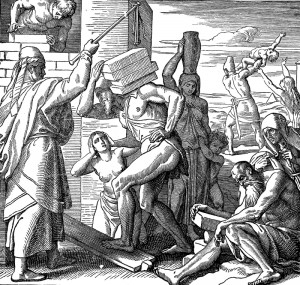
In Exodus Two we see again how the Egyptians are threatened by the prosperity of God‘s people rather than seeing the blessing on Israel as a blessing for the Egyptians. Consequently, the people of God are oppressed and an attempt is made to prevent population growth by slaughtering male infants. However, God graciously strengthens the hearts of two of the Hebrew mid-wives. Because they fear the God of Israel, they respect and preserve human life, despite what consequences might come for disregarding Pharaoh’s order. As an act of further grace toward the midwives, God causes them to prosper along with the rest of His people. In a desperate response, Pharaoh orders all of his people to destroy any male infants.  Though God’s people suffer under oppression, they yet continue to experience the blessing of God. He preserves them and ultimately will deliver them. The experience of Israel here foreshadows a similar event in the birth of Jesus Christ who also was seen as a threat to those in power. Continue reading “The Gospel in Exodus Two and in the City”